Thoracic Surgeries

Thoracic spine surgeries target pain and dysfunction in the mid back caused by disc herniations, spinal stenosis, or instability. Dr. Ashana specializes in minimally invasive surgeries designed for faster recovery, reduced pain, and long-term stability.
Kyphoplasty

The thoracolumbar junction is a common site for compression fractures. Kyphoplasty treats spinal compression fractures caused by osteoporosis or trauma. Using a balloon-assisted device, Dr. Ashana restores vertebral height and injects bone cement to relieve pain and stabilize the fracture.

Navigated and Robotic Thoracic Laminectomy and Fusion

In some cases, fusion is necessary to stabilize the thoracic spine after nerve decompression. When this is required, Dr. Ashana decompresses the spinal cord and fuses the affected vertebrae while minimizing disruption to surrounding muscles and tissues. Using advanced navigation and robotic-assisted techniques, he enhances surgical precision, reduces postoperative pain, and promotes faster recovery.

Thoracic laminectomy

This procedure removes a portion of the vertebral bone (the lamina) to create more space for the spinal cord and nerves. It helps relieve pain, numbness, and weakness caused by spinal cord compression. When performing this procedure, Dr. Ashana uses muscle-sparing tubular techniques to minimize tissue disruption and reduce the amount of joint removal required to adequately decompress the nerves.

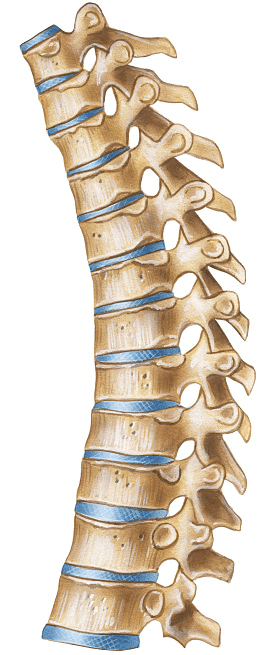
Illustration of the spine

Common Questions Patients Ask About Our Thoracic Spine Surgery

Is Thoracic Spine Surgery Painful?

No, you will not feel pain during your thoracic spine surgery because you will be under anesthesia, although there may be some discomfort during recovery. How much pain you experience depends on the type of procedure and how much tissue is affected. Minimally invasive procedures can limit disruption to the muscles and soft tissue around the spine, which may reduce postoperative pain. If surgery has been recommended, it is also helpful to get a second opinion to see if minimally invasive options may be appropriate for you.

What Is Minimally Invasive Thoracic Spine Surgery?

Minimally invasive spine surgery can treat your mid-back conditions through small incisions and muscle-sparing techniques. These techniques can relieve pressure on your spinal cord (thoracic laminectomy), fix certain types of fractures (kyphoplasty), or fuse your spine when spinal stabilization is necessary. It involves Dr. Ashana using advanced imaging, navigation, and robotics when needed to treat the affected area precisely while minimizing disruption to surrounding muscles and healthy tissues.

Why Is Minimally Invasive Surgery Better?

By using minimally invasive techniques, our spine surgeon at RestoreMIS can help limit muscle and tissue damage, blood loss, post-surgery pain, incision size, hospital stay, and recovery time. When appropriate, motion-preserving procedures may also help maintain spinal movement rather than relying on fusion. All of these factors depend on your condition and the procedure you need.

How Risky Is Thoracic Spine Surgery?

Any spine surgery carries potential risks, including blood loss, infection, blood clots, adverse reactions to anesthesia, injury to the spinal cord, or nerve damage. Because the spinal cord runs through the thoracic region (mid-back), careful diagnosis and surgical planning are especially important. At RestoreMIS, Dr. Ashana takes time to develop a treatment plan tailored to your condition and carefully considers the most appropriate surgical approach for your needs.

How Long Does It Take to Recover From Thoracic Spine Surgery?

Recovery varies from patient to patient. It may take several weeks or months, depending on the procedure and your overall health. If you had a fusion, you'll generally need more time to recover than you would after a procedure that does not involve fusion. As you heal, you can gradually return to more everyday activities and eventually get back to work. If your job requires you to lift heavy objects or put stress on your back, you may need to wait until you have recovered more fully.

Our minimally invasive techniques for thoracic spine surgery may help shorten recovery time by reducing damage to surrounding tissues, which means less tissue needs to heal.

What Is Robotic-Assisted Spine Surgery?

Robotic-assisted spine surgery uses computer-guided technology to help the surgeon plan and perform certain procedures. This can help place screws and other spinal implants with more precision. Your surgeon remains in control throughout the procedure, with additional tools to complete the procedure more accurately. Dr. Ashana uses advanced technologies, including navigation and robotic assistance, for selected spine procedures when appropriate.

Do You Accept My Insurance?

We can help you submit claims to your insurance provider for potential reimbursement of treatment costs. Your coverage and reimbursement will depend on the terms of your individual plan. Please contact your insurance to understand your benefits and any out-of-pocket costs. If you have any questions, feel free to call our office.

How Can I Schedule an Appointment?

To discuss your thoracic spine condition and explore your treatment options, contact us to request a consultation with Dr. Ashana. We offer a low consultation fee to help you take the first step toward getting the care you need. Our office is in Morrisville, NC, and serves patients from Raleigh, Cary, Durham, Chapel Hill, and the surrounding Research Triangle area.

What Our Patients Say.

I lived with back pain for nearly 70 years, worsening to a degree where sitting/standing transitions were difficult and it was painful to even lie down to sleep. Prior to meeting Dr Ashana and his team, I had tried many medications and multiple injections without benefit. PA Mattie walked through each step of the workup and Dr Ashana explained the surgery in a way I was able to understand. Thanks to the minimally invasive approach, I was able to go home the same day after surgery and did not even need assistance with walking during the first week after. I never thought I would experience this level of relief.

Before my L5-S1 oblique lumbar interbody fusion, I could barely bend or even sit, and I couldn’t do my job without constant pain in my back and leg. Even simple daily tasks felt overwhelming. This was the first major surgery I’d ever had, and just the thought of general anesthesia was scary. From the very beginning, the entire team was fabulous and truly advocated for me. Dr Ashana and PA Mattie explained everything in clear, detailed terms, which made me feel informed and supported every step of the way. Now, I’m able to live my life every day without pain. I’m so grateful I went through with it.

Rena W.

Our Office

430 Davis Dr, Suite 180, Morrisville, NC 27560

Get Directions

In the heart of RTP • Central to Raleigh, Cary, Morrisville & Durham • Easy highway access

Call Now Button