
Minimally Invasive Spine Surgery
Minimally Invasive Surgery (MIS) is central to Dr. Ashana’s approach, enabling treatment of complex spinal conditions through advanced techniques that use smaller incisions and cause less disruption to surrounding tissues. By preserving muscles and soft tissue, these methods reduce postoperative pain, minimize scarring, and promote faster recovery. Dr. Ashana combines safety, precision, and advanced technology to achieve optimal outcomes, helping patients return to normal activities sooner.
Minimally invasive spine surgery is not a single procedure—it is a fundamental approach by which Dr. Ashana performs every surgery.
Rather than relying on large incisions and muscle disruption, minimally invasive techniques allow spine conditions to be treated with smaller incisions, less tissue damage, and greater precision.
This often results in:
- Less postoperative pain
- Faster recovery
- Shorter hospital stays
- Reduced blood loss
- Preservation of normal anatomy and motion
To perform minimally invasive spine surgery, Dr. Ashana utilizes advanced tools and technologies including:

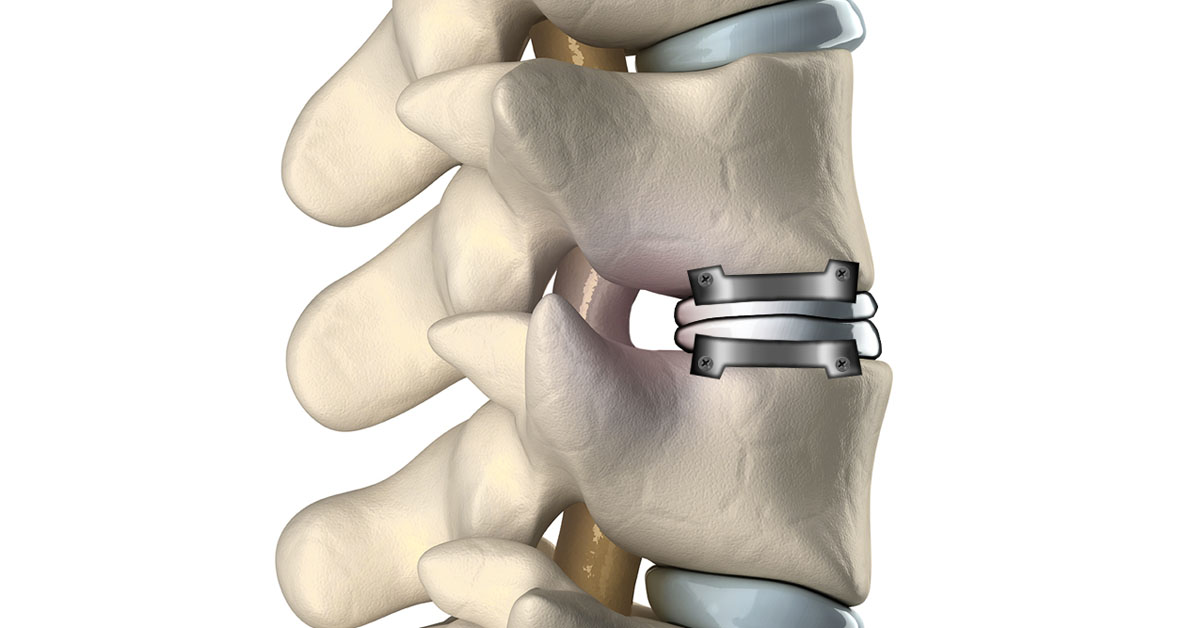
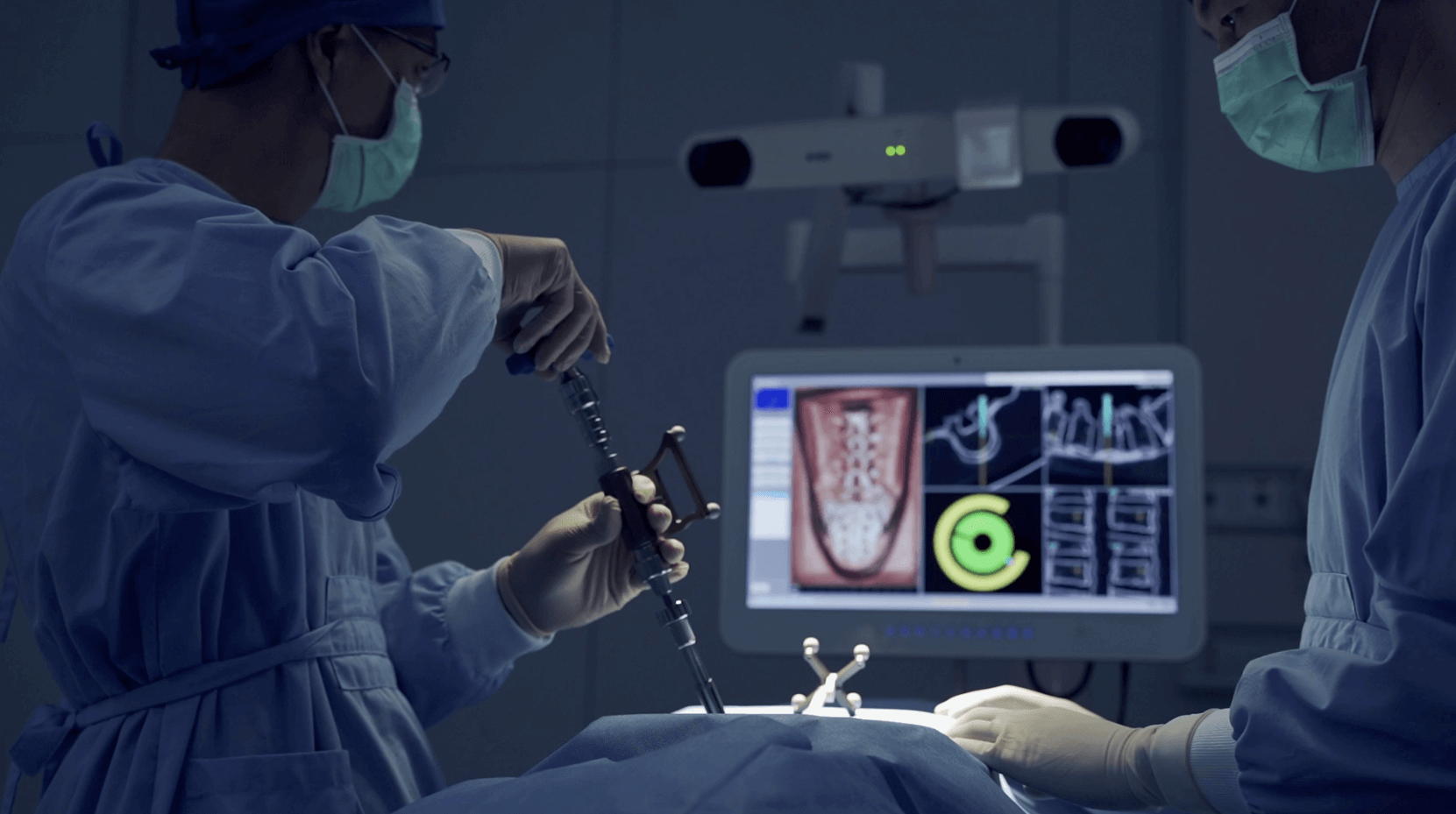

Each technology is selected based on what is safest and most effective for the individual patient.
Outpatient Spine Surgery
Through the use of advanced technologies and a focus on minimally invasive techniques, Dr. Ashana is able to perform many procedures that traditionally require hospital stays in an outpatient setting. The decision to perform surgery as an inpatient or outpatient is always individualized, based on each patient’s condition and specific needs.
Dr. Ashana performs outpatient surgeries at accredited medical facilities using the latest technology and protocols for ultimate patient safety.
Proven. Personalized. Precise.
Frequently Asked Questions
What Is Minimally Invasive Spine Surgery?
Minimally invasive spine surgery is used to treat various spinal conditions, such as herniated discs, degenerative disc disease, and spinal stenosis, while minimizing unnecessary trauma to the muscles and tissue surrounding the spine. Depending on the procedure, treatment may involve advanced tools such as navigation, robotics, or endoscopic techniques.
What Is The Least Invasive Spine Surgery?
No ONE procedure is the “least invasive” spine surgery for every patient. The best approach depends on the cause of your symptoms and the underlying issue that needs treatment.
For this reason, our minimally invasive spine surgeon in Morrisville, serving Raleigh, does not approach spine surgery with a one-size-fits-all template. Each procedure is planned around the patient’s specific condition and the treatment needed to address it effectively.
Can I Live With Spinal Stenosis Without Surgery?
Yes. Some people with spinal stenosis can manage their symptoms without surgery, particularly when those symptoms are not significantly affecting daily life. However, persistent pain, difficulty walking, weakness, or other symptoms that continue despite appropriate treatment may be reasons to explore your options.
If your symptoms lead you to consider back surgery, the important question is not simply whether an MRI shows stenosis. The focus is on whether the stenosis causes your symptoms and whether surgery is likely to provide meaningful relief.
Who Is a Good Candidate for Minimally Invasive Spine Surgery?
You could be a suitable candidate for minimally invasive spine surgery at our Morrisville office if pain, weakness, numbness, difficulty walking, or another issue related to your spine continues to affect your day-to-day life negatively even with treatment. For patients who are understandably concerned about traditional open back surgery, our less disruptive approach offers an important alternative.
Can Minimally Invasive Spine Surgery Help Avoid Spinal Fusion?
Often, minimally invasive procedures help patients avoid spinal fusion. Dr. Ashana cares about motion preservation whenever possible. This means using procedures like decompression or disc replacement instead of fusion when they can relieve your problem without restricting spinal motion more than necessary.
What Are the Risks and Potential Downsides of Minimally Invasive Spine Surgery?
One goal of minimally invasive spine surgery is to reduce unnecessary tissue disruption and, when appropriate, lower the risks and complications associated with more traditional approaches. Our approach at Restore Motion and Minimally Invasive Spine PLLC, supported by advanced technology and meticulous technique, reduces unnecessary risks while focusing on the problem that needs treatment.
What Is the Success Rate of Minimally Invasive Spine Surgery?
The expected outcome of minimally invasive spine surgery depends on the condition being treated and the procedure recommended.
At Restore Motion and Minimally Invasive Spine PLLC, Dr. Ashana recommends surgery only when there is a strong likelihood the procedure will meaningfully address the patient’s specific condition and symptoms rather than a 50/50 proposition.
How Long Does It Take To Recover From Minimally Invasive Spine Surgery?
Recovery may take weeks or months, but one advantage of minimally invasive spine surgery is that many procedures can be performed on an outpatient basis, allowing appropriate patients to return home the same day rather than stay in the hospital for an extended period. The timeline for walking, returning to work, and resuming other activities may still depend on your specific procedure and recovery.
How Can I Request An Appointment?
To request a consultation with Dr. Ashana, call our office or fill out our contact form to get started.
Our Office
430 Davis Dr, Suite 180, Morrisville, NC 27560
Get Directions
In the heart of RTP • Central to Raleigh, Cary, Morrisville & Durham • Easy highway access